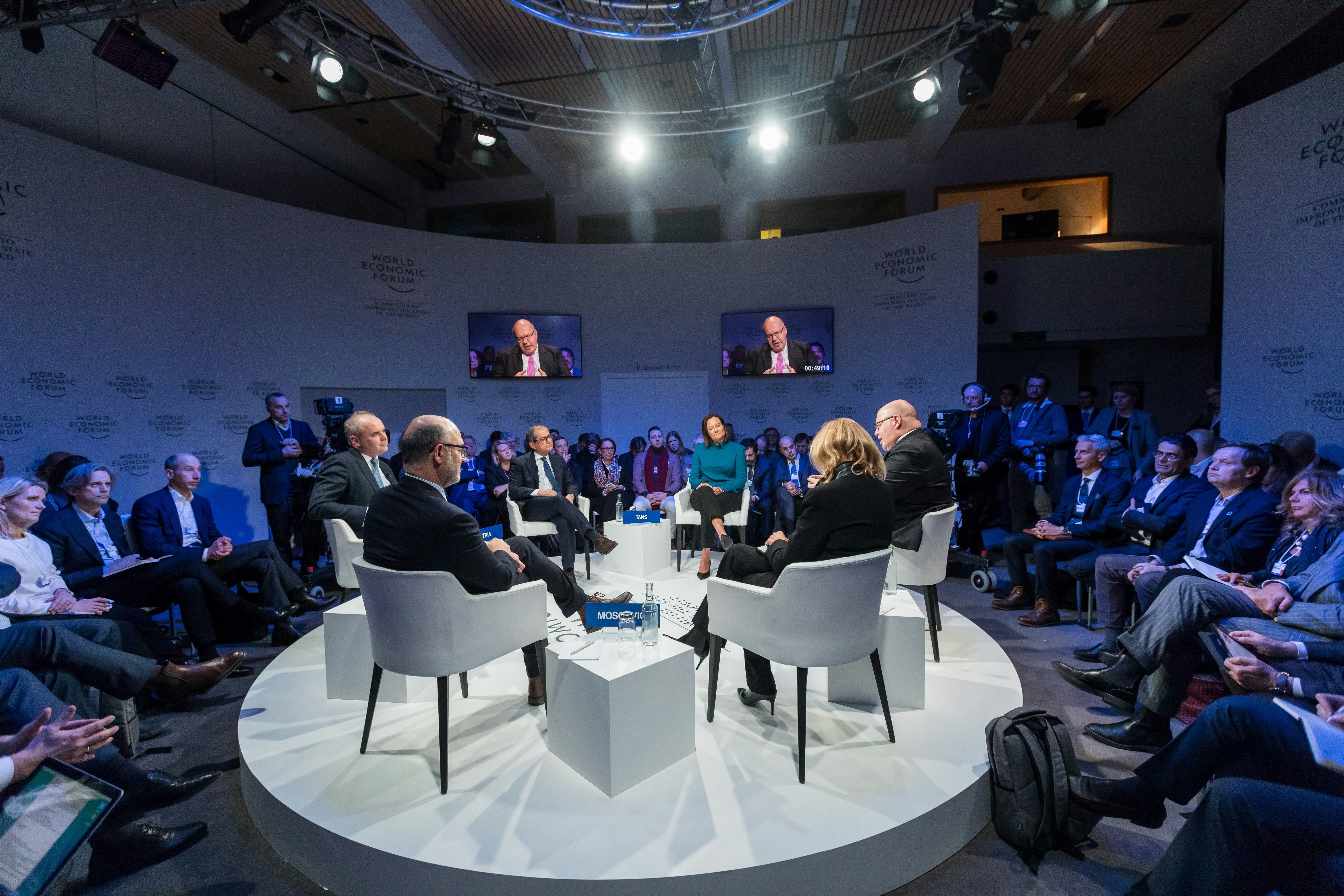

Avoiding Pitfalls When Expanding Your Event Portfolio
Growth Is Easy to Start and Hard to Sustain
Most live event organizations that encounter serious operational problems during expansion were not growing recklessly. They were growing rationally — adding venues that made geographic sense, programming new event formats that aligned with audience demand, hiring staff to meet operational needs as they emerged. The expansion logic was sound. The infrastructure decisions that went alongside it were not.
Event portfolio expansion is one of the most operationally demanding phases a live event organization goes through, precisely because it happens while the organization is still running its existing event program. There is rarely a clean window to stop, reassess, and rebuild operational infrastructure from scratch. The gap between growth ambition and the operational systems needed to support it is where most expansion efforts run into trouble — and for live event organizations, that gap shows up most visibly during portfolio expansion.
This article identifies the most common and costly pitfalls in live event portfolio expansion — and the specific decisions that prevent them. For the foundational operational framework, see the SquadUP Multi-Venue Event Operations Playbook.
|
See how SquadUP helps live event organizations expand their portfolios without operational chaos. Request a personalized demo |
What Is Event Portfolio Expansion?
Event portfolio expansion refers to the deliberate growth of a live event organization's programming footprint — adding new venues, new geographic markets, new event formats, or increased frequency within existing markets. For festivals, this might mean expanding from a single-city flagship to a multi-city tour. For venues, it might mean adding a second or third location.
What distinguishes portfolio expansion from ordinary event growth is scope. A larger single event is a scaling challenge. A larger portfolio of events is a structural challenge — requiring not just more of everything, but different systems, different staffing models, and different infrastructure decisions than the single-venue, single-format baseline.
According to Eventbrite's event research, 86.4% of organizers plan to maintain or increase in-person events in 2025 — a statistic that reflects industry-wide growth ambition, and that makes the infrastructure decisions supporting that growth more consequential than ever.
The Seven Most Costly Expansion Pitfalls
These pitfalls appear consistently across live event organizations scaling their portfolios — regardless of segment, geography, or organizational size.
Pitfall 1: Scaling Operationally Before Scaling Technologically
The most common and costly expansion pitfall is adding operational capacity — more venues, more events, more staff — without first ensuring the technology infrastructure can support that capacity without compounding complexity.
The pattern is familiar: a live event organization adds a second venue using the same tools and workflows that worked at the first one. The second venue works, with effort. A third is added. The manual coordination overhead begins to show. A fourth is added, and the system begins to visibly strain. By the time the organization recognizes that the technology stack is the binding constraint, they are managing a migration project under operational pressure rather than implementing a new platform before they need it.
See: How to Manage Multi-Venue Events Without Losing Control for a detailed framework for platform-first expansion planning.
Pitfall 2: Treating Each New Venue as a Standalone Project
Related to Pitfall 1, but distinct in its operational manifestation: many expanding live event organizations approach each new venue as its own operational project — establishing unique toolsets, unique check-in workflows, unique staff training programs, and unique reporting configurations for each location.
This approach makes each individual venue launch feel manageable. It is, in fact, one of the most expensive operational patterns a growing organization can adopt, because it multiplies complexity with every addition. Each venue-specific configuration creates a new training requirement, a new support burden, a new point of potential failure, and a new reporting silo that must be manually reconciled with the rest of the portfolio.
Pitfall 3: Underestimating Staff Training Overhead
Expanding live event portfolios require staff to operate confidently across venues, roles, and event formats that may differ significantly from what they have previously managed. When operational tools and workflows vary by venue, the training overhead of preparing staff for each new deployment is substantial.
Organizations that have standardized their operational infrastructure — using the same mobile check-in tools, the same ticketing platform, and the same operational workflows at every venue — find that staff training is significantly more efficient, redeployment between venues is straightforward, and operational error rates are substantially lower.
Pitfall 4: Losing Visibility as Operational Complexity Grows
Single-venue live event operations have a natural visibility advantage: organizational leadership can physically observe what is happening. As venue count grows, that physical visibility becomes selective. Operations leadership cannot be at three venues simultaneously — and the communication chains that replace physical presence introduce delay, information loss, and the risk that developing problems go undetected until they have already affected the attendee experience.
Organizations that sustain operational performance through growth phases are consistently those that invest in information infrastructure to replace the direct oversight that scale makes impossible. Real-time consolidated reporting across all venues gives operations leadership the visibility that physical presence used to provide. For a detailed analysis, see: The Role of Real-Time Data in Scalable Event Growth.
Pitfall 5: Sacrificing Brand Consistency in Pursuit of Operational Speed
Live event organizations under expansion pressure sometimes make decisions that compromise brand consistency in exchange for faster operational deployment. Using a third-party ticketing platform for a new venue because it appears to offer a simpler integration path with a specific venue partner or local infrastructure. Running a new event format on a different check-in system because it integrated more easily with a venue partner's infrastructure.
According to Salesforce's State of the Connected Customer research, 80% of consumers say the experience a company provides is as important as its products — a standard that makes brand inconsistency across venues a direct operational liability, not just a branding concern.
Organizations that maintain a white-label platform standard across all venues, treating it as a non-negotiable infrastructure requirement rather than a preference to be weighed against other options , protect their brand equity in ways that organizations that make platform exceptions do not.
Pitfall 6: Failing to Own Attendee Data at Scale
As portfolios expand, the attendee data generated across the full portfolio becomes an increasingly valuable organizational asset — representing the loyalty infrastructure for future events, the targeting foundation for marketing campaigns, and the historical performance baseline for operational planning.
According to Statista's research on the live music industry, live tour revenue reached nearly $10 billion in 2024 — a scale at which the organizations best positioned to capture recurring revenue are those with owned attendee data enabling direct re-engagement, not those dependent on third-party platform audiences.
Data ownership is not a feature preference. For scaling live event organizations, it is a strategic infrastructure requirement.
Pitfall 7: Expanding Before Operational Foundations Are Solid
The most consequential expansion pitfall is the most structural: attempting to scale a portfolio before the operational foundations at existing venues are performing reliably. When organizations add new venues to a portfolio where existing operations are already strained, they bring those operational weaknesses into the new venue from day one.
The diagnostic question before any portfolio expansion: are the operational systems at our existing venues performing at the level we want every future venue to perform at? If the answer is no, the infrastructure investment required to achieve that level is a prerequisite for expansion.
The Portfolio Expansion Readiness Assessment
Before committing to new venue or event format additions, use this framework to assess whether your current operational infrastructure is ready to support expansion.
Technology Readiness
- Is your current platform unified — integrating ticketing, payments, check-in, and reporting in a single environment?
- Can your platform be deployed at new venues without requiring significant location-specific configuration?
- Do you have real-time consolidated reporting across your current venues without physical presence at each one?
- Is your platform white-label and fully owned — ensuring brand consistency and attendee data ownership at every venue?
Operational Readiness
- Are operational workflows at your existing venues standardized and documented well enough to deploy at new locations?
- Can staff be onboarded to operational tools and workflows efficiently without venue-specific retraining?
- Is attendee data from all current events flowing into a centralized, organizer-owned environment?
- Are check-in, reporting, and revenue reconciliation at existing venues operating reliably without manual workarounds?
Strategic Readiness
- Does your planned expansion align with the operational capabilities of your current infrastructure — or require infrastructure development concurrent with expansion?
- Have you modeled the staffing and coordination requirements of your expanded portfolio, not just the individual new venues?
- Is your team capacity sufficient to manage expansion implementation alongside operating the existing event portfolio?
|
Discover how SquadUP prepares live event organizations for confident portfolio expansion. Schedule a demo |
How SquadUP Supports Expansion-Stage Organizations
SquadUP is designed specifically for the operational demands of expanding live event portfolios:
- Unified platform architecture that deploys consistently across every new venue — new venues are operational deployments, not new projects
- White-label technology that maintains brand consistency across every venue in the portfolio regardless of location or event format
- Real-time consolidated reporting that gives operations leadership visibility across all active venues simultaneously as portfolios grow
- Full attendee data ownership across all events and venues — every interaction across the growing portfolio builds the organizer's audience asset
- Mobile-first check-in and staff tools that standardize workflows at every venue and eliminate the training overhead of venue-specific systems
- Dedicated implementation and live event support designed for organizations managing complex, expanding portfolios
For organizations managing the check-in and staffing challenges that expansion creates, see: How Automation and Mobile Check-In Enable Event Scale.
Key Takeaways
- Event portfolio expansion introduces structural operational challenges that are predictable and avoidable with the right infrastructure decisions
- The most costly pitfalls — scaling operationally before technologically, treating venues as standalone projects, losing visibility, sacrificing brand consistency, forfeiting data ownership — compound over time
- Platform-first expansion planning creates compounding operational advantages rather than compounding fragmentation costs
- Portfolio expansion readiness requires technology, operational, and strategic assessment before committing to new venue additions
|
See how SquadUP helps growing live event organizations expand their portfolios without operational pitfalls. Book a demo |
FAQs
Q1: What are the biggest risks of expanding a live event portfolio?
The primary risks include scaling operational capacity before technology infrastructure is ready, venue-specific tool fragmentation, loss of visibility, brand consistency erosion, and forfeited attendee data ownership through third-party platform dependencies.
Q2: How should live event organizations prepare for portfolio expansion?
Before adding venues, organizations should ensure existing operational foundations are solid, technology infrastructure is unified, workflows are standardized, and a real-time reporting framework is in place. Expansion onto a fragile foundation multiplies existing problems rather than isolating them to new venues.
Q3: What is the most common operational mistake when adding new live event venues?
Treating each new venue as a standalone operational project with its own tools and training, rather than as a standardized deployment of existing infrastructure.
Q4: How does brand consistency get compromised during live event expansion?
Brand consistency erodes when expansion-stage decisions prioritize operational speed — using third-party platforms, different check-in systems, or venue-specific communications — creating inconsistent attendee experiences that dilute the organizational brand.
Q5: Why is attendee data ownership especially important during portfolio expansion?
As portfolios grow, attendee data across all events becomes a compounding organizational asset. Organizations that use non-owned platforms for new venues forfeit this data with each event, losing the long-term strategic value of their growing audience relationships.
Q6: How can live event organizations maintain operational visibility as their venue count grows?
Through unified platform architecture that consolidates reporting from all venues into a single real-time dashboard. Physical presence cannot scale across a growing portfolio — data-driven visibility can, but only when all venues operate within the same platform environment.
Q7: What is the relationship between technology infrastructure and operational expansion capacity?
Technology infrastructure determines how efficiently each new venue can be brought online and how much marginal operational complexity each new venue adds. Unified platforms reduce marginal complexity; fragmented stacks increase it.
Q8: How should live event organizations handle staff training during portfolio expansion?
Standardized, platform-based training that is venue-agnostic enables staff redeployment without retraining, reduces onboarding time, and ensures operational consistency across all locations.
Q9: At what point should a live event organization evaluate its technology platform for expansion readiness?
Before committing to new venue additions — not after expansion has begun. Organizations that evaluate platform readiness proactively address gaps before they become operational constraints during live events.
Q10: How does SquadUP support live event organizations during portfolio expansion?
SquadUP provides a unified, white-label platform that deploys consistently across every venue without venue-specific configuration, with real-time consolidated reporting, full data ownership, and dedicated expansion support.