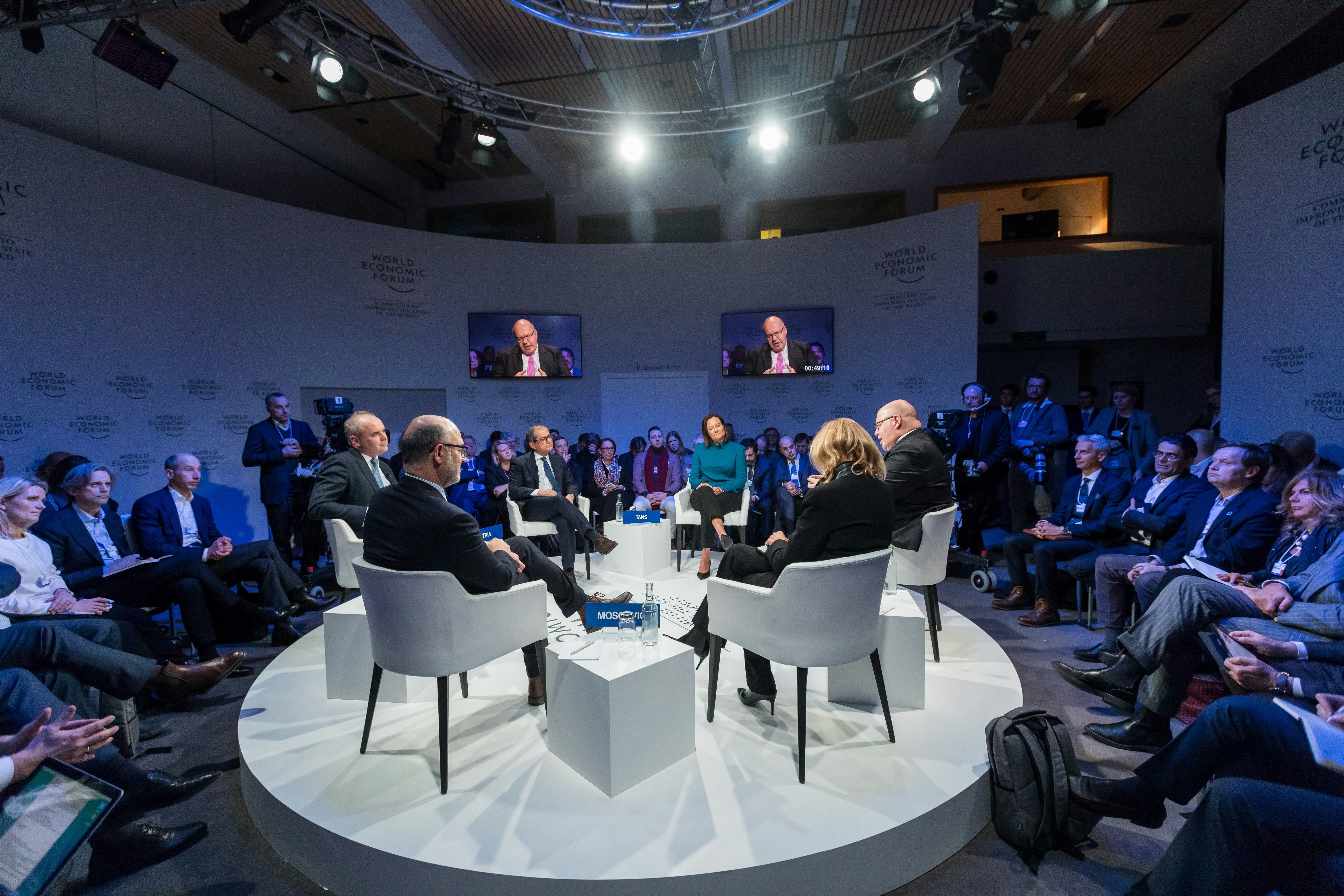

When to Evaluate Your Live Event Technology Platform
Most live event organizers only evaluate their technology platform when something forces the question. A bad on-sale. A support ticket that went unanswered for two days during a live event. A contract renewal notice that arrives with sixty days left on the clock. Reacting to a crisis is not a plan, and it tends to produce a rushed decision made under pressure rather than a considered one.
There’s a better way to time it, and it has nothing to do with waiting for an external trigger like a trade show or a bad month. It has to do with your own calendar.
Why fall is worth considering, and why the calendar argument only goes so far. It’s tempting to assume fall is a natural lull that frees up time to evaluate a platform, but that assumption doesn’t hold evenly across live event organizers. Many Sports organizers are heading into one of their busiest stretches of the year in the fall, not a quiet one. Venues often see programming pick up rather than slow down.
Festivals span a wide enough range of calendars, from summer outdoor events to fall harvest and food and wine festivals, that there’s no single off-season for the category as a whole.
What does apply broadly, regardless of your own operational tempo, is the budget cycle: most organizations are finalizing next year’s technology and marketing spend in the fourth quarter, which means a platform decision made in October or November has a real chance of being reflected in next season’s budget, while the same decision made in February often means waiting another full cycle.
That timing argument holds up on its own, separate from any assumption about how busy your team happens to be in a given month.
A Colleges & Universities organizer runs on an academic calendar that may make spring a more natural planning window. A Museums & Attractions organizer with steady, year-round visitation may not have an obvious lull at all, and should instead anchor the evaluation to the budget cycle rather than a seasonal assumption. The point isn’t that fall is universally correct. It’s that timing an evaluation deliberately, around a calendar your organization actually controls, beats waiting for something to break.
Signs it’s time to evaluate, regardless of the calendar.
A few signals are worth acting on whenever they show up, rather than waiting for a “better” time. If your contract has an auto-renewal clause and you don’t know the exact notice period required to opt out, that’s worth checking today, not next quarter; missing that window can lock you into another full term by default.
If you’ve had more than one reliability issue during a high-volume on-sale in the past year, that’s a pattern, not bad luck, and it’s worth evaluating alternatives before your next big on-sale rather than after another one goes wrong.
If you genuinely don’t know whether you can export your full attendee record in writing, that’s a data-ownership gap worth resolving on its own timeline, independent of any contract date.
And if your organization has grown, added venues, or expanded into a new event format since you last signed, the platform that fit two years ago may no longer fit the operation you’re actually running now.
A practical decision, before the calendar decision: internal readiness comes first. Before setting a target month, be honest about whether your buying committee actually has the capacity to run a real evaluation right now.
A rushed evaluation squeezed into three weeks around other priorities tends to produce a worse outcome than a well-paced one that takes two months, even if the well-paced one finishes later on the calendar. I
f your team is mid-season, understaffed, or in the middle of another major initiative, it’s reasonable to name a target window a season out and start light preparation now (reading the buyer’s guide, drafting your own scorecard weighting) rather than forcing a full evaluation immediately.
Mapping a realistic evaluation timeline.
Once you’ve decided to start, a live event technology evaluation benefits from a structured timeline rather than an open-ended search.
Weeks 1–3: Internal alignment. Get your buying committee to agree on how they’ll weight the Platform Ownership Scorecard’s five categories for your organization. A venue prioritizing brand and data ownership will approach the evaluation differently than a sports organizer focused on reliability under tournament conditions.
Weeks 3–6: Vendor evaluation. Run vendor conversations in parallel rather than sequentially. Ask every vendor the same questions so their responses are directly comparable when it's time to review your options.
Weeks 6–8: Shortlist and validation. Narrow your options to two or three finalists. Request written answers to the most challenging questions, ask for references from clients with similar event profiles, and, if possible, watch a live demonstration of the actual ticket purchase and check-in process rather than a curated walkthrough.
Final 2–3 weeks: Contract and implementation review. Focus on contract terms, migration planning, and confirming implementation timelines in writing before signing.
An 8–12-week evaluation window is realistic for most mid-sized event organizers. Larger, multi-venue operations should allow additional time, particularly for technology and finance stakeholder reviews.
Why this discipline matters more than the calendar month you pick. Boardroom-level scrutiny of technology and marketing decisions has only increased. Industry measurement specialists featured in a Skift Meetings webinar on event data described the underlying dynamic clearly: budget conversations increasingly reward teams that can show a deliberate process and specific evidence, not just a decision that felt right at the time.1
A platform evaluation run on a defined timeline, with a documented scorecard and comparable vendor notes, is exactly the kind of process that holds up to that scrutiny. A platform chosen in a rush after a bad on-sale rarely comes with the same paper trail, and it shows the next time someone asks why that vendor was picked.
Building the case internally before you start. If you’re the one pushing for an evaluation, it helps to frame it in terms your finance and executive stakeholders already care about: the specific cost of the last incident, the specific data-ownership gap that limits a renewal or membership campaign you’d like to run, or the specific contract deadline that’s approaching. A vague case (“we should probably look at other options”) is easy to deprioritize. A specific one, with a date and a dollar figure or a concrete operational risk attached, is much harder to wave off until next quarter.
A worked example. Picture a mid-sized festival organizer wrapping up its final show of the season in late September. The team has just lived through a rough on-sale for one of their headline dates, support was slow to respond, and nobody on staff can say with confidence whether the platform would let them export last year’s attendee list if they walked away tomorrow.
Rather than filing that experience away as “something to think about eventually,” the operations lead turns it into three specific items: the on-sale incident, dated and documented; the unanswered data-export question, put in writing to the current vendor with a response deadline; and a target date, eight weeks out, to have a shortlist of two alternatives ready to compare.
Framed that way, the case for evaluating now isn’t a vague feeling, it’s three concrete facts with dates attached, and that’s the version of the request that actually gets budget approval.
Common timing mistakes worth avoiding. A few patterns show up repeatedly.
The first is waiting for a single dramatic failure to justify the evaluation, when a pattern of smaller issues, a slow support response here, an unclear invoice there, is usually already enough evidence on its own.
The second is starting an evaluation with no defined end date, which tends to drift for months as other priorities take precedence; a structured timeline with a target signing date, even a flexible one, keeps the process moving.
The third is running the evaluation with only one stakeholder involved, usually the person who happens to own the vendor relationship, which means the finalist decision reflects one person’s priorities rather than the buying committee’s actual weighted criteria.
The fourth is treating the evaluation as finished the moment a favorite emerges, and skipping the reference calls and written confirmations that catch problems before they’re locked into a contract.
None of this requires an external trigger. A conference, a trade show, or a vendor’s cold outreach can prompt an evaluation, but none of them are necessary, and waiting for one is itself a timing mistake. The organizations that get the best outcomes are usually the ones that decided, on their own calendar, that it was time to look seriously at whether their current platform still fits the operation they’re actually running.
Related reading
- The Live Event Organizer’s Platform Buyer’s Guide: Once you’ve settled on a timeline, the full buyer’s guide gives your buying committee the five-category scorecard to run the actual evaluation against.
- Top Questions to Ask Every Live Event Technology Vendor Before You Sign: When your evaluation window opens, this piece has the specific questions to bring into every vendor call.
- Why White-Label Live Event Platforms Win When Organizers Evaluate for Long-Term Growth: If brand and data ownership are the gaps prompting your evaluation, this article explains why those two issues need to be evaluated, and negotiated, separately.
- The 2026 Live Event Technology Landscape: Curious what’s actually changed in the market this year, versus what’s just a talking point? This piece separates the two.
Sources
- Skift Meetings, “How to Make Event Data Matter in the Boardroom,” meetings.skift.com.
What if you’re not close to a renewal yet? Not every organizer evaluating now is planning to switch immediately, and that’s a reasonable position. If your contract has a year or more left on it, a lighter version of this process still pays off: read through the Platform Ownership Scorecard, score your current platform honestly against it, and note where the gaps are.
That gives you a documented baseline, so if something does go wrong later, or if your organization grows into a use case your current platform can’t support, you’re not starting from zero.
It also puts you in a stronger negotiating position at renewal time, since you’ll already know exactly which terms are worth pushing back on rather than accepting a renewal on autopilot.
How this connects to the rest of your evaluation. Once you’ve settled on a timeline, the next practical step is deciding what to actually ask the vendors you talk to. That’s a separate skill from timing the evaluation itself, and it’s worth treating it that way: a well-timed evaluation with weak vendor questions still produces a mediocre decision, and a well-run set of vendor conversations started at the wrong moment, say, three weeks before your busiest on-sale of the year, can pull your team’s attention away from the event itself at the worst possible time.
Key takeaways
- Most organizers only evaluate their platform reactively, after something breaks; a deliberate, calendar-driven timeline produces a better decision.
- Fall is worth considering for many organizers because it lines up with the fourth-quarter budget cycle, not because it’s a universal operational lull; Sports and Venues in particular often get busier, not quieter, in the fall.
- A handful of signals (an unclear auto-renewal notice period, repeated reliability issues, an unresolved data-ownership question, or organizational growth since the last contract) justify starting an evaluation regardless of season.
- An eight-to-twelve-week structured timeline, covering internal alignment, parallel vendor conversations, a finalist deep dive, and contract review, produces more comparable, defensible results than an open-ended search.
- A specific, evidence-based internal case for evaluating now is much harder to deprioritize than a general sense that it’s probably time.
Frequently asked questions
- When is the best time to evaluate a live event technology platform? There’s no universal month, and fall isn’t a lull for every organizer; Sports and Venues often get busier, not quieter, in the fall. What does apply broadly is the fourth-quarter budget cycle, which makes fall a practical window for many organizations regardless of their event calendar.
- What signals suggest it’s time to evaluate your platform regardless of season? An unclear auto-renewal notice period, repeated reliability issues during high-volume on-sales, an unresolved data-ownership question, or organizational growth since your last contract was signed.
- How long should a live event technology evaluation take? A structured eight-to-twelve-week timeline is realistic for most mid-sized organizers; larger, multi-venue operations should expect it to run longer.
- Should you wait until your contract is about to expire to start evaluating alternatives? No. Waiting until close to a renewal deadline often means missing the notice period required to leave, or making a rushed decision under time pressure.
- What should the first step in a platform evaluation be? Internal alignment: get your buying committee to agree on how they’ll weight the evaluation categories before talking to any vendor.
- Why does fall line up with budget planning for many organizers? Many organizations finalize next year’s technology and marketing budget in the fourth quarter, so a decision made in the fall has a better chance of being reflected in next season’s budget than one made later in the year.
- Is fall a good evaluation window for every type of live event organizer? No. Colleges & Universities often run on an academic calendar that favors a different window, and organizers with steady, year-round attendance should anchor timing to their budget cycle instead of a season.
- How do you build an internal case for evaluating your platform now? Attach a specific cost, date, or operational risk to the request, such as an unresolved data-export gap or a recent reliability incident, rather than a general sense that it’s time to look around.
- Should vendor conversations happen one at a time or in parallel? In parallel, using the same set of questions with each vendor, so the answers are directly comparable once you review them together.
- What should happen in the final stage of a platform evaluation before signing? Contract review, migration planning, and written confirmation of the implementation timeline, ideally with a reference client available to speak to.