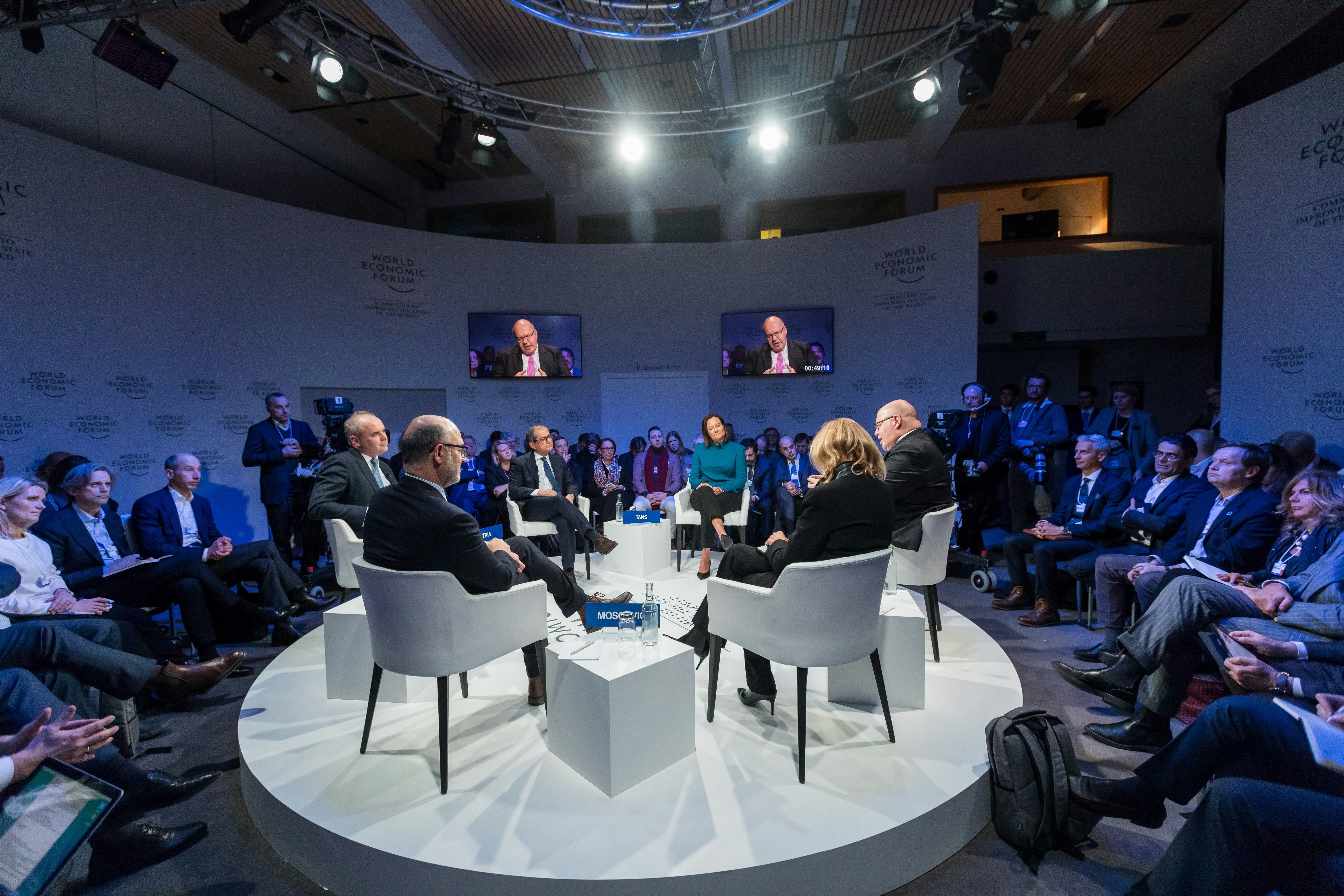

Simplifying Workflows: The Power of Unified Event Platforms
What is a unified event platform and why workflow simplification matters
A unified event platform connects ticketing, payments, check-in, and reporting into a single continuous workflow. By eliminating manual handoffs between disconnected systems, unified platforms improve execution speed, reduce staffing needs, and provide real-time visibility across the entire event lifecycle.
Key takeaways
- Unified workflows reduce manual coordination and reconciliation
- Automation improves on-site execution speed and predictability
- Real-time visibility improves staffing efficiency and financial reporting
Who this blog is for
This guide is for on-site execution, box office, and access control leaders, finance teams, and executive stakeholders at festivals, venues, sports organizations and stadiums, attractions, and recurring live event programs responsible for entry flow reliability, staffing efficiency, and real-time revenue visibility.
Event teams don’t struggle because they lack effort or expertise. They struggle because their workflows were never designed to operate inside a unified event platform.
For a system-level view of how fragmentation impacts execution and finance, explore From Fragmented to Seamless: How Unified Platforms Transform Event Operations.
Most organizations rely on multiple tools for ticketing, payments, and check-in. Over time, this fragmentation turns even the best unified event platform strategy into disconnected execution, increasing manual work, slowing resolution, and obscuring real-time performance visibility.
Ticketing happens in one tool. Payments live in another. check-in and access control operate somewhere else entirely. Each system has its own logic, reporting structure, and limitations. Teams fill the gaps with spreadsheets, manual checks, and tribal knowledge.
When unified event platform workflows are fragmented, teams lose their single source of truth
Over time, this fragmentation becomes the default way of working.
A unified event platform changes that dynamic by simplifying workflows across the entire event lifecycle, from purchase to payment to entry to post event reporting.
Why event workflows break down in the first place
Fragmented workflows slow execution because systems do not share real-time data.
This typically leads to:
- Duplicate data entry
- Manual reconciliation between tools
- Inconsistent reporting
- Slower issue resolution on event day
Most event organizations build their event technology stack incrementally, adding point solutions to meet immediate needs. Over time, this creates disconnected systems that coexist but do not truly integrate.
As discussed in What Event Teams Lose with Disconnected Tools, fragmentation introduces hidden operational drag and undermines execution speed and clarity.
Simplification starts with treating workflows as a system
A unified event platform approaches workflows differently.
Instead of treating ticketing, payments, and check-in as separate functions, it treats them as one continuous operational flow. Data moves automatically from purchase to payment to access without requiring manual intervention.
This shift matters because workflows are not abstract. They determine how quickly staff can resolve issues, how many people are needed on-site, how accurately finance can report performance, and how confident leadership feels on event day.
Skift Meetings reports that many organizers are actively reducing the number of tools in their event technology stack to improve reliability and execution speed.
As explored further in What Event Teams Lose with Disconnected Tools, fragmentation consistently undermines execution speed and financial clarity.
Workflow automation reduces operational friction
Workflow automation replaces manual coordination with system-level logic.
This typically enables:
- Ticket purchases updating check-in eligibility automatically
- Payment confirmations syncing in real time with access permissions
- Refunds triggering updates across connected systems
- Attendance data syncing automatically into reporting dashboards
This automation removes the manual “glue work” teams rely on when systems are disconnected and creates predictable execution across workflows.
Harvard Business Review highlights how digital initiatives often fail when processes and operating models do not change along with technology, reinforcing the need to simplify workflows, not just add tools.
On-site execution becomes faster and more predictable
On event day, unified workflows remove execution friction. For box office, scanning, and gate supervisor teams, simplified workflows mean faster entry throughput during peak arrival windows, fewer manual overrides, and real-time visibility into gate flow across stadium and venue access points.
This results in:
- Faster entry throughput
- Fewer check-in exceptions
- Reduced staffing pressure
- Improved attendee flow
- Higher on-site confidence
Freeman’s attendee research shows rising expectations for seamless entry and reduced friction at live events, increasing pressure on operations teams to execute flawlessly.
Unified workflows allow teams to meet those expectations without adding staff or operational complexity.
Finance benefits from simplified workflows
Unified workflows create a single source of financial truth.
This leads to:
- Faster visibility into gross and net revenue
- Cleaner reconciliation cycles across vendors
- Reduced manual reporting and spreadsheet dependency
- Higher confidence in forecasting and cash flow planning
When payments, refunds, settlements, and access control live in the same platform as ticketing, finance teams no longer need to piece together performance across disconnected systems.
For a deeper look at how payment integration affects financial outcomes, see Payment Transparency: The Hidden ROI of Better Systems.
Simplified workflows scale more reliably
Complex workflows do not scale well.
As events grow into multi day programs, recurring series, or multi venue experiences, fragmentation introduces risk. Every additional handoff is a potential failure point.
A unified event platform scales by design because workflows remain consistent regardless of volume or complexity.
Deloitte emphasizes the importance of end to end experience orchestration, where operational systems support consistent execution as organizations scale. Simplification is what allows growth without chaos.
How to evaluate workflow simplification in practice
When assessing a unified event platform, teams should ask:
- Can ticketing, payments, and check-in operate without manual intervention
- Is real time data visible to both operations and finance
- Are workflows consistent across events and venues
- Can staff be trained once and operate confidently
Workflow simplicity is not about fewer features. It is about fewer handoffs.
FAQ: Unified event platforms and workflow simplification
1. What is a unified event platform
A unified event platform is a system that connects ticketing, payments, check-in, and reporting into one continuous workflow, giving teams a single source of truth across the event lifecycle..
2. How does workflow simplification reduce staffing needs
Simplified workflows reduce training complexity, speed up issue resolution, and allow teams to manage higher volume with fewer staff.
3. Does workflow automation replace on-site staff
No. It enables staff to focus on attendee experience instead of troubleshooting systems.
4. How does workflow simplification help finance teams
It improves revenue visibility, speeds reconciliation, and reduces reporting errors.
5. Is workflow simplification only relevant for large events
No. Recurring and growing events often benefit the most because inefficiencies repeat each cycle.
6. What is the first step to simplifying workflows
Map your current workflow from purchase to settlement and identify manual handoffs. Use the Event Operations Checklist: Efficiency in 10 Steps to prioritize the highest impact fixes.
Next step: Identify where your workflows break down
Workflow complexity hides in plain sight.
Use the Event Operations Checklist: Efficiency in 10 Steps to identify where manual handoffs, duplicate work, and disconnected systems are slowing execution — and where unification will deliver the fastest operational gain