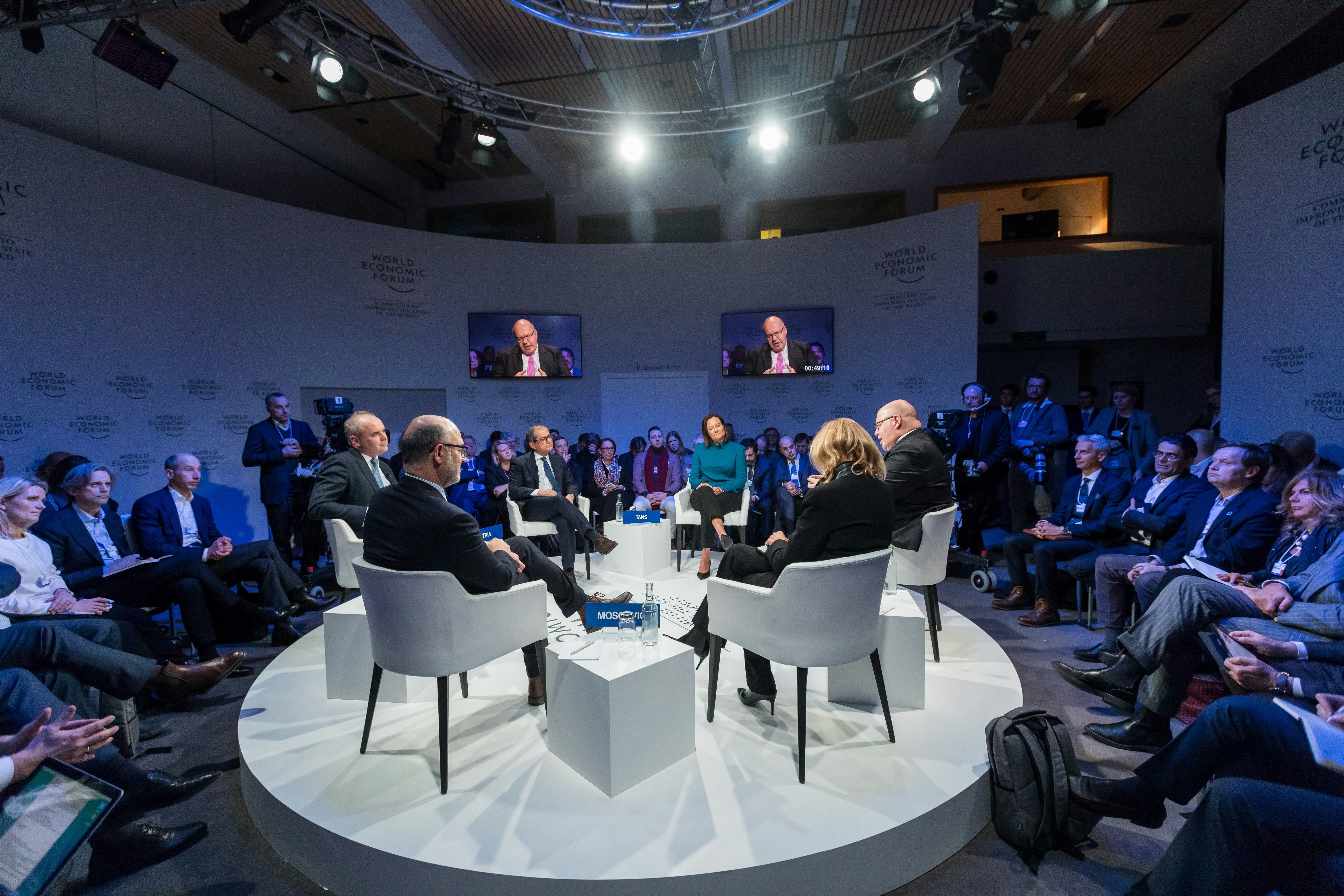

Financial control in the new live event economy
The live event economy has grown up. Online event ticketing is estimated near 53 billion dollars in 2025 and projected to approach 71.5 billion by 2030, and the organizations winning in it compete on more than lineups and logistics.1 They compete on financial control: the ability to see and act on revenue in real time. Control is the natural extension of transparent event payment processing, and it is becoming the new competitive edge.
Executive summary
- The event economy is large and growing, raising the stakes on financial control.1
- Financial control means seeing and acting on revenue and costs in real time.
- Real-time reporting replaces month-end snapshots and improves forecast accuracy.
- A consistent metric set gives finance a complete view of what is earned and kept.
- Integrated payments consolidate multi-venue performance into one live view.
- Control is what lets organizers scale without losing visibility.
From reporting lag to real-time visibility
|
Financial control for events An organizer’s ability to see, understand, and act on revenue and costs in real time. It combines transparent payments, live reporting, and clean data so finance can forecast accurately, respond quickly, and scale without losing visibility. |
Traditional finance runs on the month-end close, a snapshot assembled after the fact. In a business where an event can come and go in a weekend, that lag is a liability. Real-time reporting replaces the snapshot with a live feed of sales, fees, refunds, and payouts, so decisions rest on current data. The scale of the market makes the discipline worth building: CTS Eventim alone sold 177.9 million tickets in 2025, up 30.7 million year over year.2
|
Ready to trade the month-end scramble for a live revenue view? Request a Demo to see real-time reporting. |
A framework for financial control
Financial control develops in four moves:
- Integrate ticketing and payments so data is generated and reconciled in one place.
- Turn on real-time reporting so revenue and cost are visible as they happen.
- Standardize the metrics finance tracks so every event and venue reports the same way.
- Own the financial data so the record is authoritative and portable.
Metrics finance leaders should track
|
A core event finance metric set: gross ticket revenue, effective all-in fee rate, net revenue, deposit and settlement timing, refund and chargeback rates, and revenue by venue. Together these show what an organizer earns, keeps, and can forecast. |
||
|
Want your revenue picture in real time, not next month? Book a Demo to see live financial reporting. |
||
Control as a foundation for scaling
Control is what makes growth safe. When reporting and reconciliation are automatic and real time, an organizer can add venues and events without adding proportional back-office work or losing sight of performance. That is also where control connects to the rest of the cluster: fee transparency keeps the revenue picture honest, and attendee data ownership keeps the financial record in the organizer’s hands. Chargeback and dispute costs, which average about 128 dollars per case, are easier to see and manage when the data is unified.3
Key takeaways
- Financial control is the modern competitive edge in a growing event economy.
- Real-time reporting beats the month-end snapshot for accuracy and speed.
- A standard metric set and owned data are the foundation of control.
- Control is what lets organizers scale without losing visibility.
|
Build the financial control that lets you scale with confidence. Request a Demo |
FAQ
1. What is financial control for events?
Financial control for events is an organizer’s ability to see, understand, and act on revenue and costs in real time. It combines transparent payments, live reporting, and clean data so finance can forecast accurately, respond quickly, and scale without losing visibility.
2. How do organizers improve financial control?
Organizers improve control by integrating ticketing and payments, adopting real-time reporting, tracking a consistent set of revenue metrics, and owning their financial data. Each step replaces lagging, fragmented information with a current, single view of performance.
3. What is real-time revenue reporting for events?
Real-time revenue reporting shows sales, fees, refunds, and payouts as they happen rather than in a month-end summary. It lets finance and operations act during an event and forecast from current data, which improves both speed and accuracy of decisions.
4. How does payment data improve forecasting?
Live payment data lets teams forecast from what is happening now instead of what happened last month. Seeing revenue, fees, and settlement in real time surfaces trends and anomalies early, so projections are more accurate and adjustments are faster.
5. What financial metrics should event organizers track?
Track gross ticket revenue, effective all-in fee rate, net revenue, deposit and settlement timing, refund and chargeback rates, and revenue by venue. Together these give a complete view of what an organizer earns, keeps, and can forecast.
6. How does financial visibility support agility?
Visibility supports agility by shortening the gap between an event and the insight it produces. When leaders can see performance in real time, they can adjust pricing, staffing, and spend during the moment rather than reacting after the close.
7. What is revenue management in the event economy?
Revenue management is the practice of maximizing the revenue an organizer earns and keeps across events, using pricing, mix, and financial data. In the modern event economy it depends on transparent payments and real-time reporting to work well.
8. How do multi-venue operations affect financial control?
Multi-venue operations make control harder because performance is spread across locations. Integrated payments consolidate every venue into one real-time view, so finance can see the whole portfolio without waiting for manual reporting from each site.
9. What tools give organizers real-time financial visibility?
Integrated platforms that unify ticketing, payments, and reporting give the clearest real-time visibility, because the data is generated and reconciled in one place. Bolt-on dashboards on top of fragmented tools still depend on manual consolidation.
10. How does financial control support scaling?
Financial control lets organizers add events and venues without losing visibility or adding proportional back-office work. When reporting and reconciliation are automatic and real time, growth flows into the same system rather than multiplying manual effort.